October 3, 2026
A comfortable home depends on much more than simply having heating and cooling equipment installed. The way a system is maintained, operated, and evaluated over time can have a significant effect on energy consumption, indoor comfort, equipment reliability, and long-term household expenses. Small oversights may seem harmless at first, but they can gradually contribute to higher utility bills, inconsistent temperatures, unnecessary repairs, or premature equipment replacement.
Many expensive problems are preventable when homeowners recognize common mistakes before those habits begin affecting system performance. Paying attention to maintenance needs, airflow, temperature settings, warning signs, and professional recommendations can help protect an important household investment. Understanding the following mistakes can also make it easier to know when professional assistance is appropriate and why preventive care is generally preferable to waiting for a major breakdown.
Avoiding Neglected Routine Maintenance
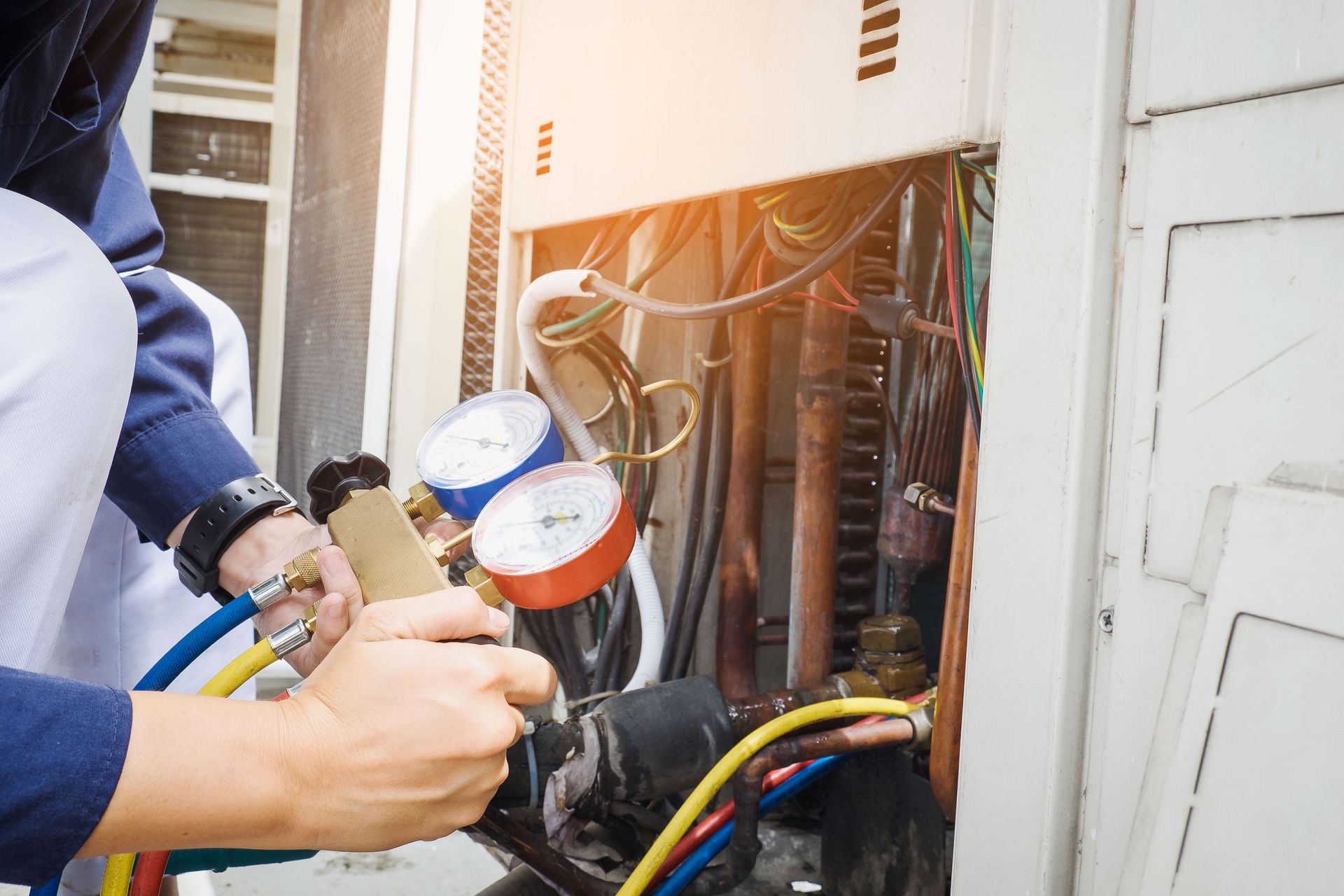
One of the most expensive mistakes homeowners can make is ignoring routine HVAC maintenance until something stops working. Heating and cooling equipment operates repeatedly throughout the year, and normal use can gradually contribute to wear, buildup, loose components, and declining performance. A system may continue running despite these issues, giving homeowners the impression that everything is functioning properly while efficiency slowly deteriorates.
Delaying maintenance can ultimately transform a relatively manageable concern into a more complicated repair. Equipment that must continually compensate for reduced performance may experience additional stress, potentially affecting other components as well. Maintaining a consistent professional service schedule helps homeowners understand the condition of their equipment and plan for future needs rather than being surprised by sudden failures.
Avoiding Restricted Household Airflow
Another costly mistake involves overlooking conditions that restrict airflow throughout the home. A heating and cooling system depends on the effective movement of conditioned air. When airflow is compromised, the equipment may have difficulty maintaining the desired indoor temperature, potentially causing longer operating cycles and unnecessary stress.
Restricted airflow should not be dismissed simply because the equipment still turns on. Poor circulation can affect comfort throughout the home while forcing the HVAC system to work harder to compensate. Addressing airflow concerns professionally can help restore balanced performance and reduce the likelihood that underlying problems will continue unnoticed. Consistent airflow also supports more predictable temperatures, helping the entire system operate as intended rather than repeatedly struggling to satisfy the thermostat.
Avoiding Extreme Thermostat Adjustments
Thermostat habits can have a major influence on comfort and energy use. A common misconception is that dramatically changing the thermostat setting will make a home reach the desired temperature substantially faster. In many situations, extreme adjustments do not provide the expected benefit and may instead encourage unnecessary system operation.
A more thoughtful approach involves using practical settings that reflect household schedules and comfort preferences. Appropriate thermostat technology can also help homeowners manage temperature changes more consistently. When temperature settings seem reasonable but the HVAC equipment still runs excessively or struggles to maintain comfort, the problem may involve the system rather than the thermostat setting itself. Professional assessment can identify whether equipment performance, airflow, controls, or another condition is contributing to the problem.
Avoiding Delayed Professional Repairs
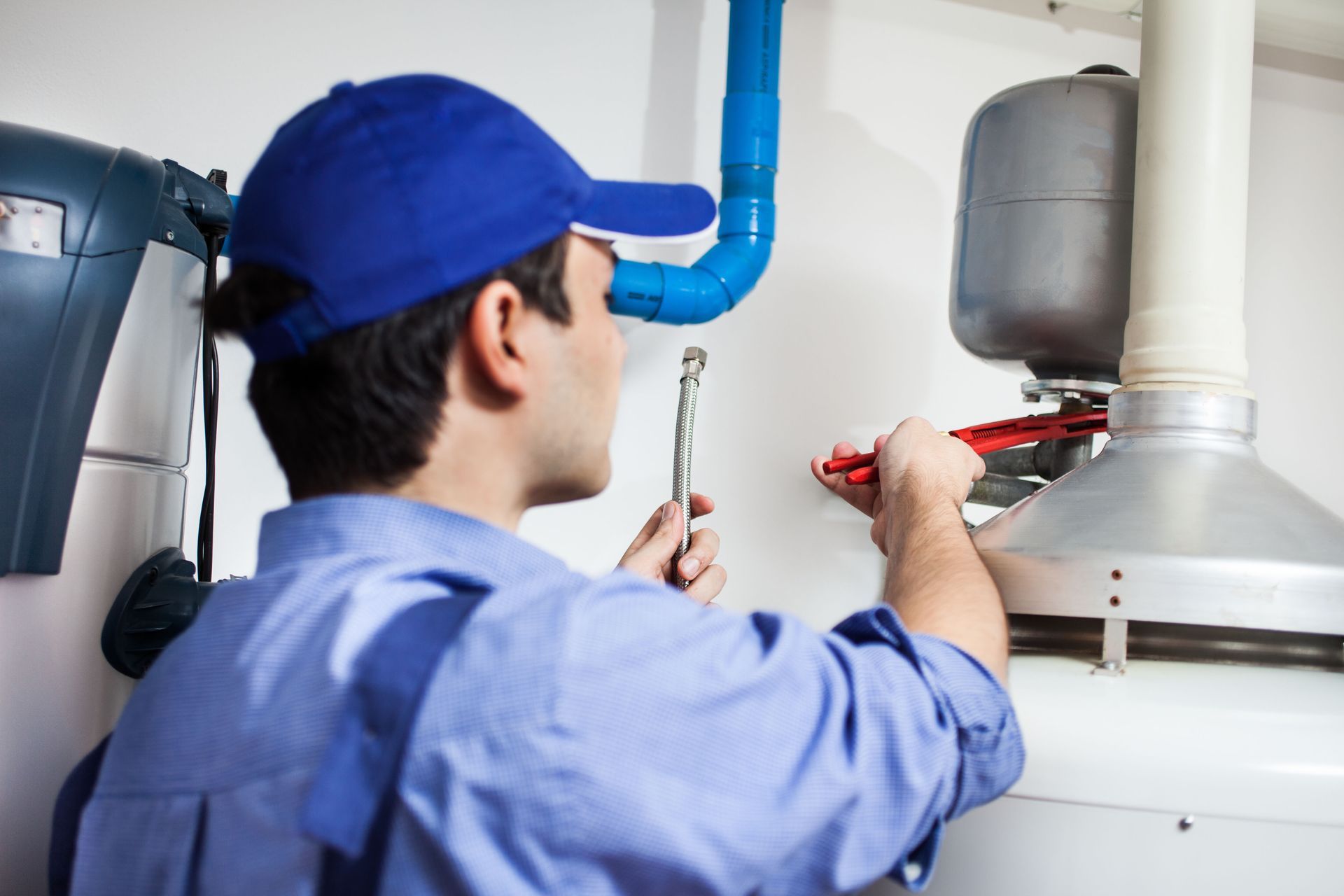
Unusual sounds, odors, temperature changes, weak airflow, or unexplained increases in energy use should not automatically be considered harmless. Heating and cooling equipment often provides warning signs before a significant failure occurs. Continuing to operate a struggling system without professional evaluation can allow a developing problem to become more expensive.
The size of the heating and cooling service industry also reflects how important these systems are to homes and businesses. According to IBISWorld, the U.S. Heating & Air-Conditioning Contractors industry generates approximately $156.2 billion in annual revenue as of 2025. Rather than waiting for complete equipment failure, homeowners can treat noticeable performance changes as a reason to schedule a professional inspection. Timely HVAC repairs may help contain damage, restore efficiency, and provide greater clarity about the overall condition of the system.
Avoiding Improper Equipment Sizing
Choosing replacement heating and cooling equipment based solely on assumptions about capacity can create expensive long-term problems. Larger equipment is not automatically better, and smaller equipment is not necessarily more economical. A system should be appropriately matched to the characteristics and needs of the property.
Equipment that is poorly suited to a home may struggle to deliver consistent comfort. Oversized equipment can operate in ways that negatively affect temperature control and indoor conditions, while undersized equipment may run excessively as it attempts to meet demand. Either situation can contribute to unnecessary wear and disappointing performance.
Professional recommendations should consider more than a homeowner’s preference for a particular model. Property characteristics, layout, insulation, windows, and other factors can influence heating and cooling requirements. A properly selected HVAC system is better positioned to provide balanced comfort without repeatedly operating under inappropriate demands. Professional sizing also helps homeowners avoid investing in equipment that appears impressive on paper but does not suit the actual needs of the property.
Avoiding Inefficient Equipment Operation
Homeowners sometimes focus exclusively on whether their equipment is running rather than how effectively it is operating. A system that turns on and produces conditioned air can still be performing inefficiently. Gradual changes in operating behavior are particularly easy to overlook because homeowners may become accustomed to them over time.
Longer operating cycles, increasingly uneven temperatures, unusual energy consumption, or difficulty maintaining comfortable conditions can indicate that professional attention is warranted. These symptoms do not necessarily identify a specific mechanical problem, which is why professional diagnosis is important. Multiple components or household conditions can contribute to similar performance changes.
Homeowners should also consider the age, service history, and general condition of their HVAC equipment when evaluating recurring problems. Continually repairing a system without considering its broader condition may not always be the most economical approach. A qualified professional can explain available options and help homeowners compare continued repairs with other potential solutions. Making decisions based on overall performance rather than isolated symptoms can support more responsible long-term spending.
Avoiding Unqualified Service Decisions
Price is naturally an important consideration when arranging heating and cooling service, but choosing assistance based exclusively on the lowest available price can become expensive if the work does not address the underlying problem. Proper diagnosis requires knowledge of how different components interact and how system performance should be evaluated.
Qualified professionals can assess symptoms within the context of the entire HVAC system rather than focusing only on the most obvious issue. This broader evaluation matters because similar symptoms can have very different causes. Weak airflow, for example, may not originate from the same problem in every home, and replacing a component without confirming the cause may fail to resolve the issue.
Homeowners can benefit from selecting professionals who communicate clearly about findings, recommendations, and available options. Understanding why work is being recommended makes it easier to make informed decisions and plan for future maintenance. Reliable professional service should help homeowners protect equipment performance while avoiding unnecessary repairs, repeated service calls, and preventable expenses.
Avoiding Costly Problems Through Preventive Care
Preventing heating and cooling problems generally requires consistent attention rather than complicated household interventions. Routine professional maintenance, reasonable thermostat habits, unobstructed airflow, timely repairs, appropriate equipment selection, and awareness of performance changes can all contribute to more reliable operation.
It is equally important to recognize when a problem requires professional evaluation. Continuing to operate equipment that is producing unusual symptoms may increase strain and make the eventual repair more complicated. Addressing concerns promptly gives homeowners an opportunity to understand what is happening before a complete breakdown disrupts household comfort.
Avoiding Future Heating and Cooling Headaches
Heating and cooling equipment represents a major part of a home’s comfort and energy use, making thoughtful maintenance and professional care worthwhile. Many expensive problems begin as small issues that are overlooked, misunderstood, or postponed. Recognizing those concerns early can reduce unnecessary strain and help homeowners make better decisions about repairs, maintenance, and eventual replacement.
If your system needs professional attention, contact Hartford & Ratliff Co Inc. We can evaluate your heating and cooling needs, explain our recommendations, and help you determine an appropriate path forward. Let us help you maintain dependable indoor comfort while protecting the equipment your home relies on.