November 17, 2026
Choosing the right water heater is essential for maintaining a comfortable and efficient home. Tankless systems offer several advantages, but selecting the correct size is important for meeting your household's hot water demands. Understanding factors such as water usage, flow rate, temperature requirements, and energy efficiency can help make an informed decision. Comparing different tankless water heaters based on these details can help prevent performance issues and unnecessary expenses.
Understanding Household Water Consumption Patterns
Choosing the right tankless water heater size requires assessing your household's hot water needs. The number of residents, daily routines, and appliance usage all influence the capacity required. Evaluating these factors helps prevent insufficient hot water during busy periods.
Evaluating Daily Water Usage
Households have different consumption habits. Multiple residents, frequent showers, and regular laundry or dishwashing can increase demand. Consider when and how often these activities occur to determine how much hot water your home needs.
Identifying Peak Water Demand
Peak demand occurs when several fixtures or appliances use hot water simultaneously. For example, running two showers while operating a washing machine can place considerable demands on a system. Identifying these overlapping activities helps determine the capacity needed to maintain consistent water temperatures and flow.
Accounting for Household Size and Special Needs
Household size provides a useful starting point, but special requirements also matter. Large soaking tubs, multiple bathrooms, frequent guests, and high-demand appliances can increase consumption. When comparing tankless water heaters, consider future changes, such as a growing family or planned bathroom addition.
Calculating Flow Rate Requirements
Flow rate, measured in gallons per minute (GPM), indicates how much hot water a unit can deliver at once. Calculating the combined flow rate of household fixtures helps identify the capacity your system needs. This measurement is especially important because tankless systems do not store a reserve of heated water. Proper sizing helps tankless water heaters keep up with simultaneous household demands.
Understanding Fixture Flow Rates
A typical showerhead may use approximately 2.5 gallons per minute, while a kitchen faucet generally uses around 1.5 GPM, according to our experts. Actual measurements vary depending on fixture design and water pressure, so checking manufacturer specifications can provide more accurate estimates.
Calculating Simultaneous Water Usage
To estimate the required flow rate, add the GPM of fixtures and appliances likely to operate simultaneously. For instance, two showers using 2.5 GPM each and a kitchen faucet using 1.5 GPM create a combined demand of 6.5 GPM.
This calculation helps narrow down suitable tankless water heaters. Choosing a unit with insufficient capacity may cause inconsistent temperatures or reduced water flow during periods of high demand. Homeowners should focus on realistic usage patterns rather than assuming every fixture will operate simultaneously.
Measuring Water Flow and Pressure
Homeowners can estimate fixture flow rates using a bucket test. Place a container with a known capacity beneath a faucet, measure how long it takes to fill, and use that information to calculate GPM. Water pressure should also be evaluated because inadequate pressure can affect fixture performance and system operation.
Evaluating Temperature Rise Requirements
Temperature rise describes the difference between incoming water temperature and the desired hot water output. Colder incoming water requires more energy to reach the selected temperature, which can affect a unit's overall capacity.
Assessing Incoming Water Temperatures
Incoming water temperatures vary by geographic location and season. Homes in colder regions generally experience lower groundwater temperatures during winter, requiring a greater temperature increase. Accounting for seasonal changes helps homeowners select a system that can meet demand throughout the year.
Determining Desired Output Temperatures
Household activities require different water temperatures. Many homeowners prefer shower temperatures around 104°F to 106°F, according to our experienced plumbers, while cleaning and other household tasks may involve different requirements. Understanding these preferences helps determine the necessary heating capacity.
Calculating the Required Temperature Increase
To calculate temperature rise, subtract the incoming water temperature from the desired output temperature. For example, if incoming water measures 50°F and the desired output is 120°F, the system must provide a 70-degree increase. Manufacturer performance charts show how flow rates change at different temperature rises.
Comparing Energy Efficiency and Operating Costs
Energy efficiency is another important consideration when selecting a water heating system. Tankless units heat water as needed instead of continuously maintaining a stored supply, potentially reducing unnecessary energy consumption.
Understanding Energy Efficiency Benefits
According to Business Development Resources, tankless water heater units can be between 24 and 34% more energy-efficient than traditional tanks. This efficiency can contribute to lower utility bills over time, depending on household consumption, energy rates, and equipment performance.
When comparing tankless water heaters, consider how efficiency ratings relate to expected usage. A model with a higher purchase price may provide savings through reduced energy consumption over its operating life.
Reviewing Energy Factor Ratings
Energy factor ratings help homeowners compare the efficiency of different water heating models. Higher ratings generally indicate that more consumed energy is converted into usable hot water. Reviewing manufacturer specifications and applicable efficiency certifications can help narrow down suitable options.
Considering Long-Term Operating Expenses
Energy consumption, maintenance, water quality, and potential repairs all affect ownership costs. Homeowners should also research utility rebates and energy-efficiency incentives that may reduce the initial expense of qualifying equipment.
Planning Installation and Space Requirements
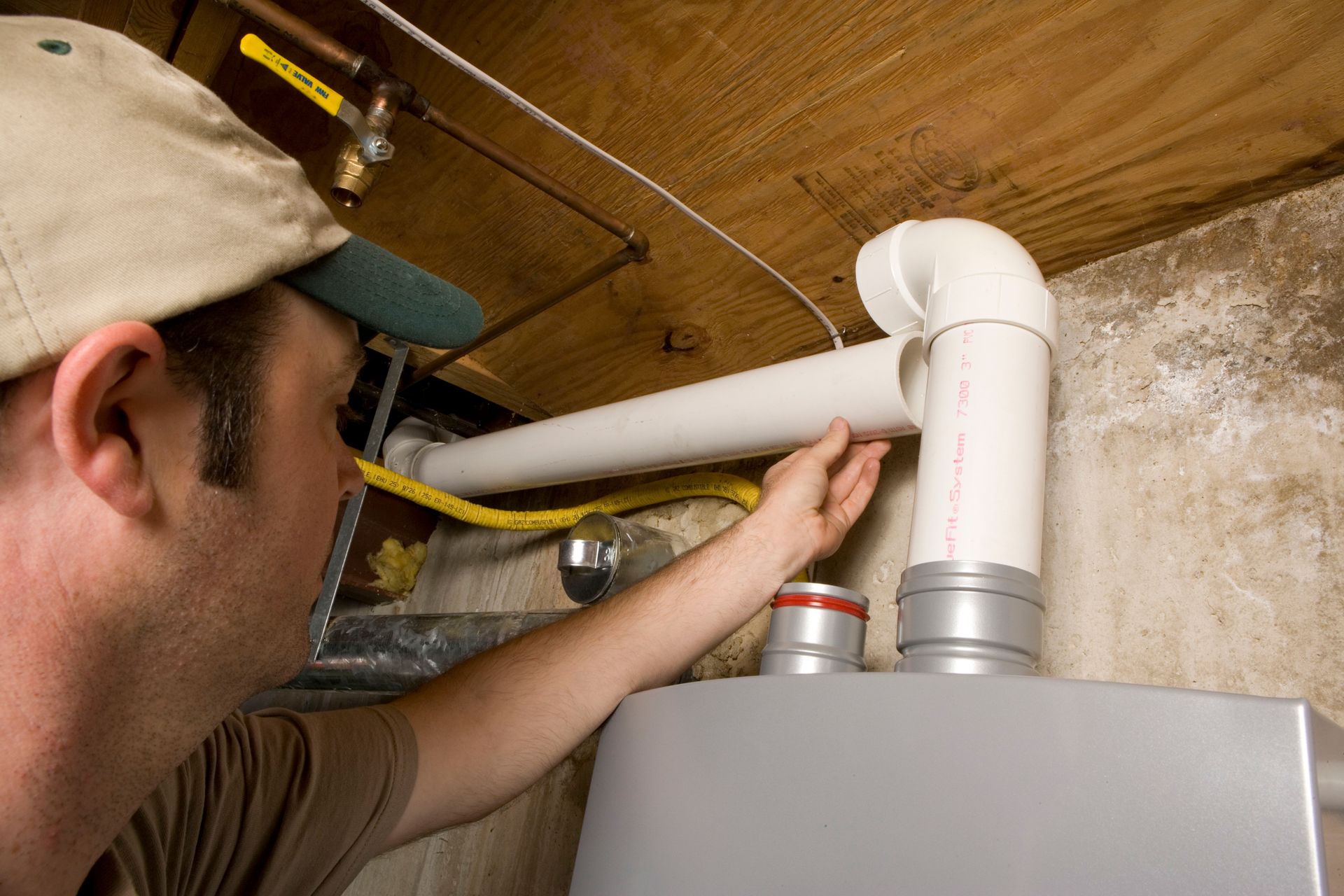
Proper installation is essential for dependable operation. Although tankless units are generally more compact than traditional storage tanks, they still require adequate clearance, ventilation, and access to plumbing connections. These considerations can influence which tankless water heaters are appropriate for a particular property.
Selecting an Appropriate Installation Location
Placement can influence installation costs and maintenance access. Installing a unit relatively close to frequently used fixtures may reduce the distance hot water travels through plumbing. However, the location must also meet manufacturer recommendations and applicable building codes.
Evaluating Ventilation and Utility Connections
Gas-powered units require appropriate ventilation and gas connections, while electric models have specific power requirements. Existing plumbing, gas lines, and electrical infrastructure can influence installation complexity. Older homes may require modifications before new equipment can be installed.
Comparing Professional Installation Options
Professional installation helps address technical requirements involving plumbing, electrical connections, gas lines, and ventilation. Improper installation can affect performance, create safety concerns, and potentially compromise manufacturer warranties. Having the existing system evaluated before purchasing equipment can also prevent sizing and compatibility problems.
Assessing Long-Term Value and Maintenance Needs
Looking beyond the initial purchase price helps homeowners evaluate the overall value of their investment. Energy savings, maintenance requirements, and equipment lifespan all contribute to long-term costs.
Comparing Initial Costs and Potential Savings
Tankless systems can have higher upfront costs than conventional storage heaters. However, their energy efficiency and potentially longer service life may provide financial advantages. The actual return on investment depends on installation expenses, household consumption, energy prices, and maintenance requirements.
Planning for Routine Maintenance
Mineral deposits can accumulate inside tankless systems, particularly in areas with hard water. Periodic descaling helps address this buildup and supports efficient operation. Other maintenance tasks may include cleaning inlet filters and inspecting connections according to manufacturer recommendations.
Evaluating Expected Equipment Lifespan
Tankless water heaters generally have a longer expected lifespan than traditional storage models. However, longevity depends on installation quality, maintenance, and operating conditions. Reviewing warranty coverage, replacement part availability, and maintenance recommendations can help homeowners make a practical long-term choice.
Choosing the right water heater size involves evaluating household consumption, flow rate, temperature rise, energy efficiency, and installation requirements. Considering these factors helps homeowners select a system that meets their needs without unnecessary expenses. A properly sized and maintained unit can provide dependable hot water while supporting efficient energy use. For help comparing options and determining the appropriate system for your property, contact Hartford & Ratliff Co Inc to discuss your water heating needs.